How did Texas get 11 players drafted?
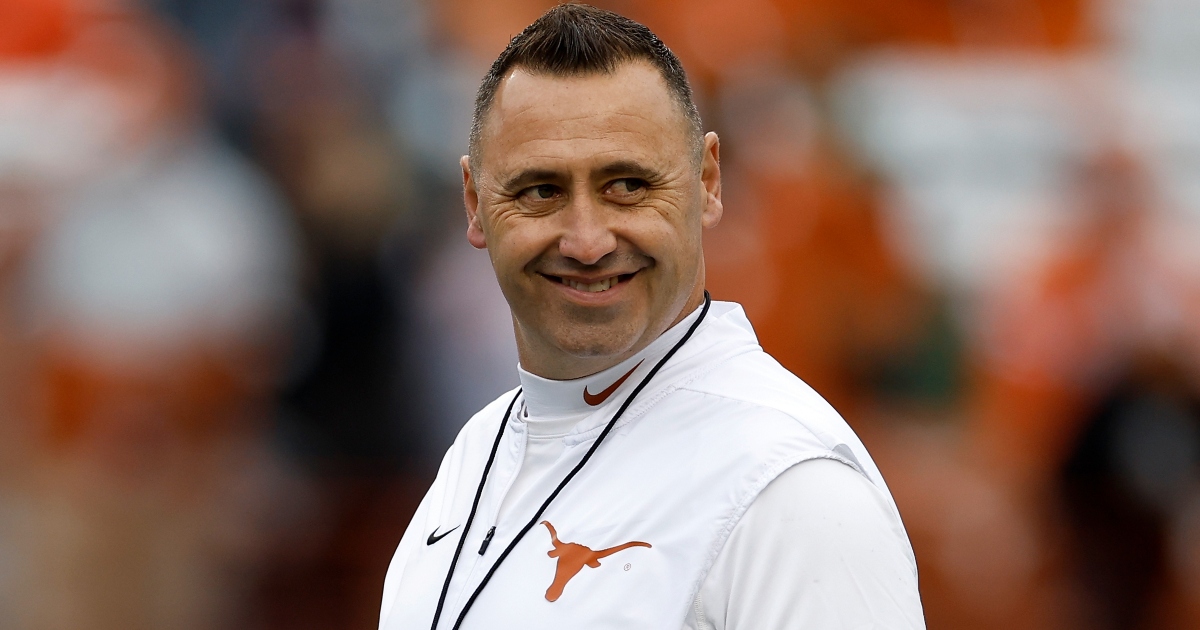
The 2024 NFL Draft proved to be the most Longhorn-heavy draft we’ve seen since the adoption of the seven-round draft in 1994.
The previous high was seven picks, that’s how many players were selected in 2007 after Texas’ 2006 season.
The 2006 Longhorns had a number of key players remaining from the 2005 National Championship team. Offensive linemen Justin Blalock and Kasey Studdard, the defensive end tandem of Brian Robison and Tim Crowder, and defensive backs Aaron Ross, Michael Griffin, and Tarrell Brown.
It’s remarkable in comparison to the 2023 Longhorns getting 11 players selected after 8-5 and 12-2 seasons. What changed at the University of Texas to generate these results? There were a few factors, some less obvious than others.
The transfer portal
Texas conspicuously had four players drafted whom they’d acquired through the transfer portal. Early round receivers Xavier Worthy and Adonai Mitchell were both portal additions, although Worthy transferred in before even starting college classes when Michigan wouldn’t let him enroll early out of high school. Keilan Robinson followed Steve Sarkisian from Alabama and the Longhorns acquired Ryan Watts when the North Dallas product wanted to get out of a tough depth chart up at Ohio State without having to move positions.
If you added four transfers with NFL talent to some of Mack Brown’s better classes, you’d end up closer to the total of 11 players. However, you’d still have to pick his best ever draft class of 2007 to get all the way to 11.
Did it make a considerable difference to the overall talent level in Austin that Sark was able to add players through the transfer portal? Unquestionably so, but not to the full extent necessary to account for this sizable leap in talent. Additionally, many of Sark’s portal additions could almost be summarized as making right what had gone wrong in recruiting. Getting Watts, Mitchell, or likely future draft pick Quinn Ewers to Austin is something that a better situated staff would have been able to avoid by simply winning those recruitments out of high school.
Old fashioned development in pro-style techniques
The assumption with a school like Texas after having 11 players drafted would be that they’d translated a number of blue chip talents into NFL prospects. With Texas you’d figure there were a large number of former blue chip skill athletes in the mix since they are state’s second biggest export behind oil/gas.
Coming after year three of the Steve Sarkisian era, it’s also easy to forget that aside from the transfers these seven selections aren’t Sark recruits. The better Sark classes are only now entering their draftable ages. These Longhorn signees were all Tom Herman commitments and most of them were rated fairly low.
Christian Jones and T’Vondre Sweat were humble 3-star recruits rated in the mid 80s out of high school. They both had awesome frames and size, which is why they were offered scholarships, but it took a fair amount of time and coaching before they were close to maximizing. Jones was a late comer to the game of football who played in a Wing-T style of offense where he wasn’t taught to kick step and protect the quarterback. Sweat was a 250-pound prospect once upon a time and added more than 100 additional pounds on his frame.
Jaylan Ford was also a lower ranked 3-star prospect and Byron Murphy couldn’t crack 90.00 in the rankings due to his short stature. The ranks of inherited 3-stars for Sark also included Jared Wiley, who was just drafted from TCU after transferring out following the 2021 season.
Wiley aside, Texas boosted up their draft numbers not by converting blue chip talents recruited to the program or even by stocking up on transfers, although they did some of each. What really did the trick was Sark developing lower ranked players who’d been brought to campus by the previous regime.
The fact many of them were bigger guys (Sweat and Jones) was helpful, the NFL loves big athletes with rare traits. Another factor was the pro-style nature of Texas’ techniques on both offense and defense. It’s no accident all five starting skill players for the Longhorns had their names called, they’ve all been taught many of the sorts of skills and techniques the NFL will expect from their players.
So what’s next for Sark?
There are two obvious ways for Texas to have major success in putting players in the NFL Draft. One is recruiting and effectively deploying skill talents, which grow on trees in Texas on either side of the ball. The fact Texas went to the playoffs in 2023 without a secondary stocked with NFL players was unique for a program that used to carry the moniker of “DBU.” It also proved costly when they couldn’t cover the Washington Huskies.
For Texas to reach their goals as a program and to maintain a pipeline to the pros, they need to produce more draft-worthy cornerbacks and safeties to the now well established wide receiver pipeline Sark has successfully built.
The other obvious way for any blue blood program to consistently see high numbers of draft picks is to take advantage of the THE primary blue blood advantage, big humans.
As Bill Parcells famously noted, there’s only so many 300+ pound athletes in the world and Texas is one of a few programs nationally who have unique access to them out of high school. As Oklahoma can tell you, finding those players in the transfer portal in any volume is nearly impossible. A school like Georgia or Texas A&M, or Texas as recently as 2022, will greedily hoard 4-5 future pro defensive tackles and leave very little for everyone else. The same is true to some extent on the offensive line, certainly at offensive tackle. Texas is going to start to build a case for being a destination for pro development along the O-line and perhaps on the edge of the D-line as well in future seasons.
The 2024 draft class was a breakthrough for Texas, but producing 10+ picks is the new normal for nationally competitive programs and the Longhorns should expect to keep it up if they’re going to progress toward their goals of winning championships in the SEC.
Sark has proven he can develop NFL talent, in future drafts we’ll see what happens when he chose the players.
The post How did Texas get 11 players drafted? appeared first on On3.